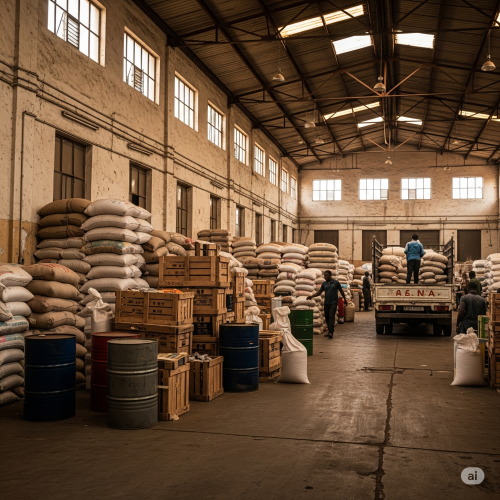
Imagine a fire outbreak or an attack on your warehouse. Raising funds to repair the damage and restock could be a nightmare. Well, warehouse insurance always comes to the rescue. It won’t just restore your loss but also handle all the expenses involved. This article discusses all the options available to protect your warehouse and all the installations. These options include coverage against the following:
- Fire
- Malicious damage
- Burglary and theft
- Strike, riot and civil commotion
- Special perils
Overview of Warehouse Insurance
Warehouse Insurance is crucial for businesses involved in manufacturing and supply chain. It offers security from dangers such as fire, theft, and natural calamities.
First, this article will attempt to explain the various warehouse insurance types. Next, we will highlight its importance for warehouse operators and businesses. The coverage choices covered here include general liability, insurance for specific products, and additional options designed to protect your inventory and minimize financial losses from unforeseen events. Finally, we will discuss the important factors to consider when choosing a policy. These factors include coverage limits, exclusions, and so on. All these are designed to assist you in making informed choices, safeguard your assets and ensure the smooth operation of your business.
What is Warehouse Insurance?
Warehouse insurance is a commercial insurance designed to protect warehouse and distribution center operators from various financial risks and legal liabilities associated with their day-to-day activities. It consists of coverage for the building itself, the contents stored within, including goods owned by the business or held on behalf of clients, and liability exposures related to the operation of the warehouse. Warehouse insurance is also designed to protect against financial losses due to unforeseen events. These include theft, fire, natural occurrences, andaccidents involving workers or third parties. damage or liability.
Importance of Warehouse Insurance for Business Owners.

Notably, warehouse Insurance protects your assets and contributes to the successful operation of your business. Furthermore, the other benefits include:
1. Financial Protection
The major benefit of warehouse insurance is protecting your business from unforeseen financial losses. Damages due to fires, floods, theft, or accidents can result in substantial expenses. With warehouse insurance in place, your business won’t bear the full financial burden. This allows you to recover quickly and continue operations.
2. Establish Trust and Reputation
For third-party logistics providers, having proper insurance builds trust with clients. Customers want assurance that their goods are stored safely and that any potential risks will be covered. By offering a clear insurance plan, you enhance your company’s reputation, making it more likely for businesses to choose your services over competitors.
3. Peace of Mind
Warehouse insurance gives you a settled mind Knowing that your business is covered against unexpected fire outbreak or theft .It also offers reassurance to your clients, knowing their inventory is protected.
4. Continuity of Business Operations
In the event of a fire outbreak that temporarily hinders warehouse operations, warehouse insurance ensures your business can survive financially during downtime and continue operating once repairs or replacements are made.
What is Covered By A Warehouse Insurance
Warehouse insurance covers a wide range of risks.
1. Fire
Some warehouses may be highly susceptible to fire outbreaks due to the nature of the goods stored or building installations. A fire coverage ensures that the insured is indemnified in the case of an outbreak. Meanwhile, one is at liberty to choose the scope of cover. He could limit it to the building alone, content, or both.
2. Malicious Damage
This covers the warehouse against all kinds of physical damage done by people with bad intent. This does not include damage intentionally caused by the insured or his employees.
3. Special Perils
Special perils could include damages caused by natural disasters like floods, lightning, and so on.
4. Strike, Riot and Civil Commotion
This is an add-on cover that ensures that a warehouse owner is not left stranded where events such as the End-SARS protest of 2022 occurs.
Other Recommended Add-on Covers
While the four coverage options above are pretty standard, some other covers further protect warehouse owners, depending on the nature of their operations. Some of them include:
1. Business Interruption Insurance
In the event of a disaster or significant damage that halts operations, business interruption insurance can cover the loss of income during the recovery period. This can be crucial in helping a business stay afloat while repairs are made and operations return to normal. It mainly covers salaries and other operational costs temporarily until the disaster is averted.
2. Cyber insurance
This is highly recommended for warehouses whose operations may be susceptible to cyber attacks.
3. Public liability
This policy protects you against injuries suffered by customers or visitors to your warehouse.
4. Employers liability/Group Personal Accident/ Group Life Assurance
These policies secure your staff while under your employment.
5. Plant All-Risk
This protects your equipment against theft and unforeseen damage.
Insurance in Nigeria: All You Need to Know in 2025

Factors to Consider When Choosing an Insurance Policy
When selecting warehouse insurance, it is important to take several factors into account to ensure you have the right level of coverage for your business. These factors are unlimited in a way, some are listed here for your guidance.
1. Coverage Limits
This is the maximum amount the insurance company will pay in the event of a claim. It’s crucial to assess the value of your inventory and property to ensure that the coverage limit is sufficient to cover potential losses.
2. Exclusions
Exclusions are specific events or situations that are not covered in an insurance contract. Most importantly, It is vital to review these exclusions. This will help you understand what risks you may still be exposed to. For example, some policies may not cover damage from certain types of natural disasters, like earthquakes or floods but not some other events.
3. Legal Regulations
In Nigeria, there are legal requirements for the types of insurance a warehouse must carry. For instance, if you have employees, workers’ compensation insurance is often required by law. Failing to adhere to these regulations can result in fines or legal action.
4. Risk Assessment
Before purchasing insurance, conduct a thorough risk assessment of your warehouse operations. Highlights potential hazards, such as the risk of fire, theft, or machinery accidents, and choose coverage that addresses these specific risks. This proactive approach ensures that your business is protected from the most likely threats.
How much is warehouse insurance in Nigeria?
The price differs depending on whether you are insuring only the building or contents. In Nigeria, a rate between 0.3% and 1% of the limit of liability is charged, depending on the scope of insured business. Reach out to us to get a quote today.
Conclusion
Warehouse insurance is an important investment for businesses that store goods. It provides vital protection against unforeseen risks such as fire, theft, natural disasters, and liability claims. By protecting your assets whether it’s the building, inventory, or equipment, you can avoid the financial burdens of unexpected losses, ensuring that your business remains operational even during challenging times. Apart from financial protection, warehouse insurance enhances your reputation, ensures legal compliance, and provides peace of mind to both you and your clients.
Finally, having the right insurance policy is key to mitigating risks and ensuring continuity. This is especially important given the critical role that warehouses play in business operations. Take the time to evaluate your specific needs, assess potential risks, and choose a policy that provides comprehensive coverage tailored to your business. Ultimately, warehouse insurance is not just a precaution, it’s a strategic move that helps secure the long-term success and stability of your business.